


Overview
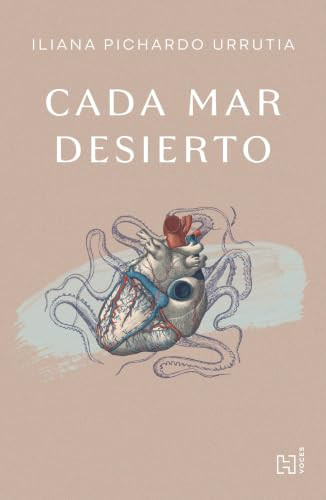
«¿Será el ombligo un puente entre la vida y la muerte? ¿La frontera que separa el territorio de quienes migran? ¿La soga que nos amarra unas a otras? ¿La vasija que contiene el mar del que venimos? ¿El circulo que esconde lo que ya no está? Con delicada escritura, Iliana nos lanza preguntas envolventes como una corriente acuática. Introspectiva, hipnótica, refinada, sutil. Entrar a esta lectura es ser parte de un rito antiguo y necesario. Buscar entre todas el lugar adecuado para poner aquello que desapareció.» Nona Fernández. Hay cosas que se suelen callar: un hijo que no llegó a crecer, el dolor que no se puede nombrar, los deseos que no se agotan con la maternidad por mucho que ames a tu familia. Este relato comienza en el silencio nocturno del desierto entre México y Texas, donde la narradora busca darle cuerpo a la ausencia del hermano que murió ocho minutos después de nacer. Mientras sus hijos duermen tranquilos cerca del acta de defunción que encontró en casa de la abuela, recién fallecida, la narradora desanda su historia familiar y se acerca a ese vientre materno que se volvió una trampa, como las vasijas en las que los pulpos logran entrar, pero no salir. De ahí brotarán las palabras para contar lo que se silencia, flujos de experiencias propias y ajenas que cruzan cada frontera y cada mar desierto. Con esta narración poética de sorprendente elegancia y profundidad, Iliana Pichardo Urrutia demuestra que la escritura puede ser al mismo tiempo un bisturí que penetra en el dolor y una aguja que sutura la distancia y la solitud. A través de los conceptos de cuerpo y límite entrelaza reflexiones sobre la maternidad y la migración, dándole forma estética al proceso de duelo gracias a un texto fragmentado, intenso y vital. ENGLISH DESCRIPTION There are things that are usually kept quiet: a child who never got to grow up, pain that cannot be named, desires that are not fulfilled by motherhood, no matter how much you love your family. This story begins in the nocturnal silence of the desert between Mexico and Texas, where the narrator seeks to give meaning to the absence of her brother who died eight minutes after birth. While her children sleep peacefully near the death certificate she found at the home of her recently deceased grandmother, the narrator retraces her family history. She approaches that maternal womb that became a trap, like the vessels that octopuses manage to enter but cannot leave. From there, words will spring forth to tell what is silenced, streams of her own and others' experiences that cross every border and every desert sea. With this poetic narrative of surprising elegance and depth, Iliana Pichardo Urrutia demonstrates that writing can be both a scalpel that penetrates pain and a needle that sutures distance and loneliness. Through the concepts of body and border, she intertwines reflections on motherhood and migration, giving aesthetic form to the grieving process thanks to a fragmented, intense and vital text.
While major retailers like Amazon may carry Cada mar desierto / Every Desert Sea (Spanish Edition), we specialize in bulk book sales and offer personalized service from our friendly, book-smart team based in Portland, Oregon. We’re proud to offer a Price Match Guarantee and a streamlined ordering experience from people who truly care.
We’re trusted by over 75,000 customers, many of whom return time and again. Want proof? Just check out our 25,000+ customer reviews—real feedback from people who love how we do business.
Prefer to talk to a real person? Our Book Specialists are here Monday–Friday, 8 a.m. to 5 p.m. PST and ready to help with your bulk order of Cada mar desierto / Every Desert Sea (Spanish Edition).