


Overview
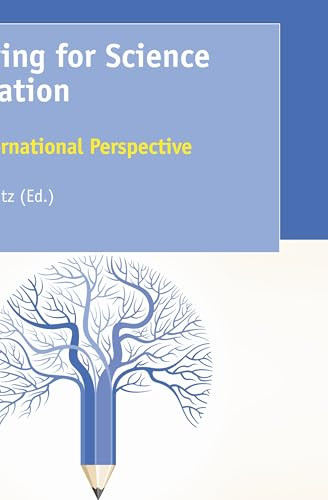
This book argues for the essential use of drawing as a tool for science teaching and learning. The authors are working in schools, universities, and continual science learning (CSL) settings around the world. They have written of their experiences using a variety of prompts to encourage people to take pen to paper and draw their thinking—sometimes direct observation and in other instances, their memories. The result is a collection of research and essays that offer theory, techniques, outcomes, and models for the reader.
Young children have provided evidence of the perceptions that they have accumulated from families and the media before they reach classrooms. Secondary students describe their ideas of chemistry and physics. Teacher educators use drawings to consider the progress of their undergraduates’ understanding of science teaching and even their moral/ethical responses to teaching about climate change. Museum visitors have drawn their understanding of the physics of how exhibit sounds are transmitted. A physician explains how the history of drawing has been a critical tool to medical education and doctor-patient communications. Each chapter contains samples, insights, and where applicable, analysis techniques.
The chapters in this book should be helpful to researchers and teachers alike, across the teaching and learning continuum. The sections are divided by the kinds of activities for which drawing has historically been used in science education:
- An instance of observation (Audubon, Linnaeus);
- A process (how plants grow over time, what happens when chemicals combine);
- Conceptions of what science is and who does it;
- Images of identity development in science teaching and learning.
Young children have provided evidence of the perceptions that they have accumulated from families and the media before they reach classrooms. Secondary students describe their ideas of chemistry and physics. Teacher educators use drawings to consider the progress of their undergraduates’ understanding of science teaching and even their moral/ethical responses to teaching about climate change. Museum visitors have drawn their understanding of the physics of how exhibit sounds are transmitted. A physician explains how the history of drawing has been a critical tool to medical education and doctor-patient communications. Each chapter contains samples, insights, and where applicable, analysis techniques.
The chapters in this book should be helpful to researchers and teachers alike, across the teaching and learning continuum. The sections are divided by the kinds of activities for which drawing has historically been used in science education:
- An instance of observation (Audubon, Linnaeus);
- A process (how plants grow over time, what happens when chemicals combine);
- Conceptions of what science is and who does it;
- Images of identity development in science teaching and learning.
While major retailers like Amazon may carry Drawing for Science Education (An International Perspective), we specialize in bulk book sales and offer personalized service from our friendly, book-smart team based in Portland, Oregon. We’re proud to offer a Price Match Guarantee and a streamlined ordering experience from people who truly care.
We’re trusted by over 75,000 customers, many of whom return time and again. Want proof? Just check out our 25,000+ customer reviews—real feedback from people who love how we do business.
Prefer to talk to a real person? Our Book Specialists are here Monday–Friday, 8 a.m. to 5 p.m. PST and ready to help with your bulk order of Drawing for Science Education (An International Perspective).